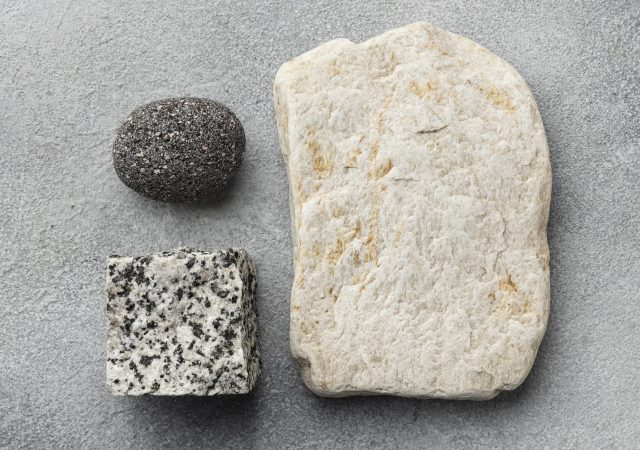
Soil is not a uniform growing medium. Its pH, salinity, organic matter, nutrient availability, and physical condition influence how crops respond to irrigation and fertilizer. Testing creates a more informed starting point.
A baseline for better inputs
Soil results help distinguish a nutrient shortage from another limiting condition. Adding more fertilizer will not correct unsuitable pH, high salinity, drainage constraints, or weak soil structure.
Representative sampling matters
A sample should reflect the management area. Combining unusual patches, field edges, recently fertilized locations, and normal productive areas can hide important differences and weaken the result.
Interpret indicators together
pH affects nutrient availability, salinity affects water uptake, organic matter influences soil function, and nutrient levels interact with crop demand. No single number provides the complete answer.
Create a repeatable record
Testing at comparable times and depths builds a useful history. Growers can assess change, refine inputs, and connect soil conditions with irrigation, crop performance, and field observations.
Practical takeaways
- Divide land into meaningful sampling areas.
- Test unusual or poorly performing zones separately.
- Use consistent depth, timing, and sample labelling.
- Interpret fertility, pH, and salinity as one system.
Need testing support for your project?
Share your sample, site, parameters, and target timeline with the SAS team.
Request a quote →